LED Lighting Guides
Practical, numbers-based guides on LED upgrades for Australian commercial and industrial facilities. The maths and the standards, so you can make an informed decision before you sign a quote.
Emergency Lighting and LED: AS 2293 Compliance, Battery Backup and What Actually Gets You Failed
Maintained vs non-maintained. 0.2 lux on escape paths. 90-minute discharge tests every 6 months. LED drivers that fail silently on central DC battery systems. The complete guide to AS 2293 compliance for Australian electricians and facility managers.
The Cheapest Battery Kilowatt-Hour Is the One You Do Not Buy
The federal battery rebate pays about $252 per usable kWh and gives full value only on the first 14 kWh. It subsidises capacity and is indifferent to whether you cycle it. Why a battery only ever carries the evening load, why lighting is the one load solar can never offset, and what 20 halogen downlights cost you in storage.
One Datasheet, Two Lumen Figures: What Australian LED Specs Actually Tell You
Eagle Lighting publishes 4,450 and 3,915 lumens for the same 28W fitting. Both are correct. Across 47 Australian LED luminaires, 26 datasheets never say which figure they are quoting, and all ten panels fall into that group. What the ambiguity costs when you specify.
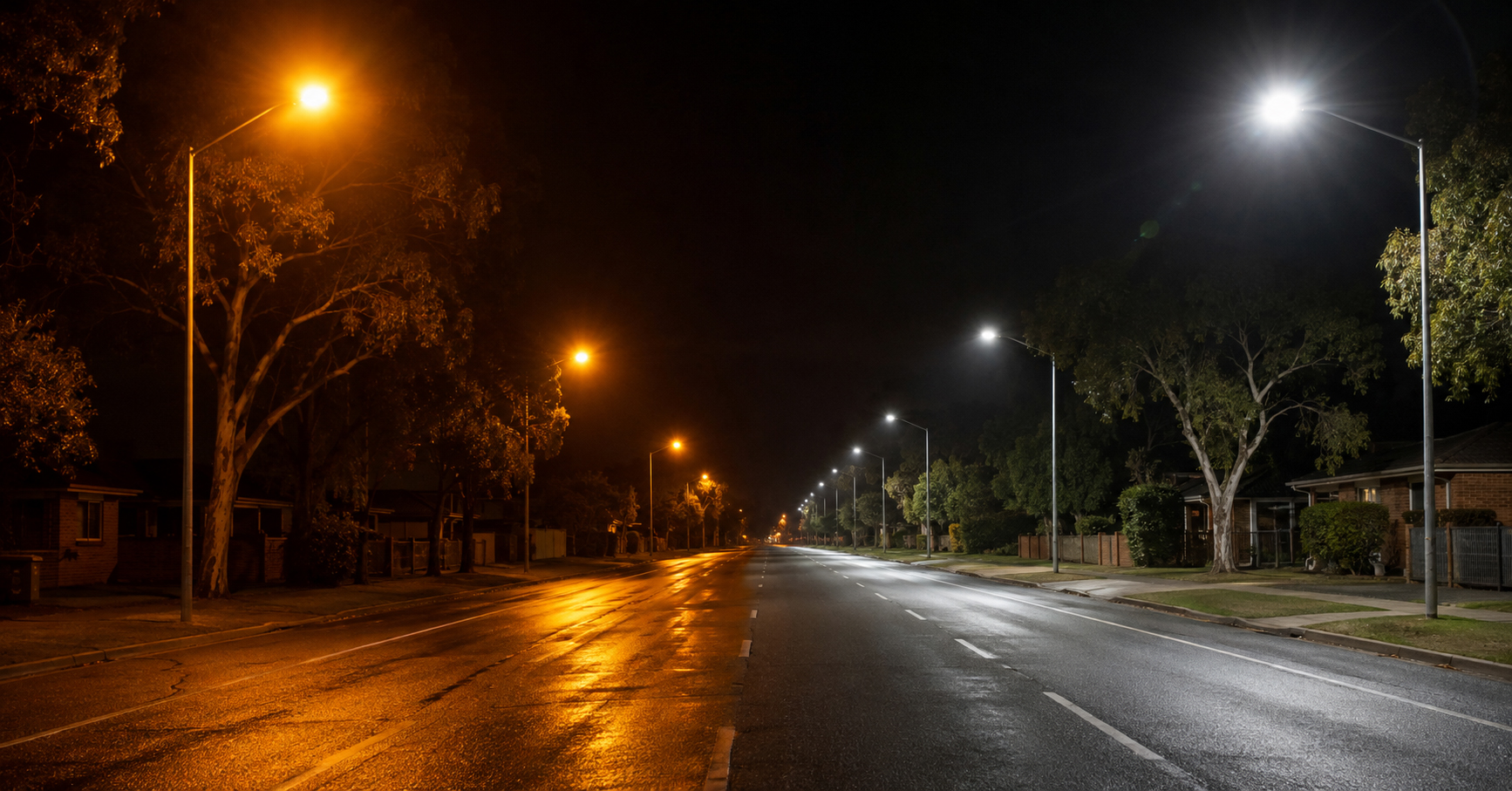
LED Street Lighting for Local Councils: AS/NZS 1158, Adaptive Dimming and What Ausgrid and Powercor Actually Allow
Category V luminance vs Category P illuminance. R-tables. The unmetered tariff trap that means dimming saves energy but not money. Approved product lists. CCT restrictions by road type. The complete guide to LED street lighting compliance and procurement for Australian councils.
Car Park LED Upgrade Guide: Payback, Rebates and What to Specify
Underground car parks run lights 20 hours a day. More than twice a warehouse. Metal halide wattage is enormous. Rebates apply in NSW, VIC and SA. Payback under 12 months is common. Full numbers by state, plus body corporate approval steps.
NCC 2022 Section J Lighting: IPD Limits, Controls and What Fails the Check
Part J7 of NCC 2022 sets illumination power density limits in W/m² for every commercial space type. Halogen fails unconditionally. Fluorescent is borderline. LED passes easily, but only if the design gets the controls right. Full IPD table, J7D4 controls requirements, adjustment factors and what NCC 2025 changes.
From Firesticks to Microgrids: Why a Watt of Lighting Costs More in Remote Australia
Off-grid, a watt of lighting load is not a line on a bill. It is panel, battery, freight and a diesel genset running longer than it should. As First Nations communities build their own solar microgrids, lighting efficacy stops being a payback calculation and becomes a capital cost.
LED Lighting for Outdoor Sports Grounds: AS 2560, Lux Levels, Spill Light and Grants
Metal halide takes 20 minutes to warm up and degrades to 70% output by 6,000 hours while still drawing full power. LED fixes both. A complete guide to AS 2560 lux levels by sport, AS/NZS 4282 spill light limits, metal halide replacement ratios, and what grants are available by state in 2026.
How LED Lighting Affects Your NABERS Energy Rating: What Australian Building Owners Need to Know
The 2025 NABERS methodology update dropped 70% of office buildings by 0.5 stars. Government tenants now require 5.5–6.0 stars. LED is the fastest and cheapest lever to close the gap. Here is exactly how it affects your rating, your TLA and your rent roll.
LED vs Fluorescent: The Honest 2026 Comparison for Australian Commercial Spaces
Millions of square metres of Australian commercial space still runs T8 fluorescent. Here is what the numbers actually say in 2026, system wattage, lumen degradation, maintenance cost, mercury disposal, CRI and payback. Including the cases where staying on fluorescent still makes sense.
LED Dimming Compatibility: What Works, What Flickers, and What Kills Drivers
Why new LEDs flicker at low dim levels, glow when switched off, and sometimes kill their own drivers within weeks. Trailing-edge vs leading-edge, 0-10V, DALI, minimum load, ghosting and how to fix all of it.
AS 1680 Lux Levels for Australian Workplaces: The Complete Reference Guide
The maintained illuminance table for every common workspace in Australia, plus the light loss factor calculation that most LED installs get wrong. Warehouse, office, retail, manufacturing, cold storage and food handling.
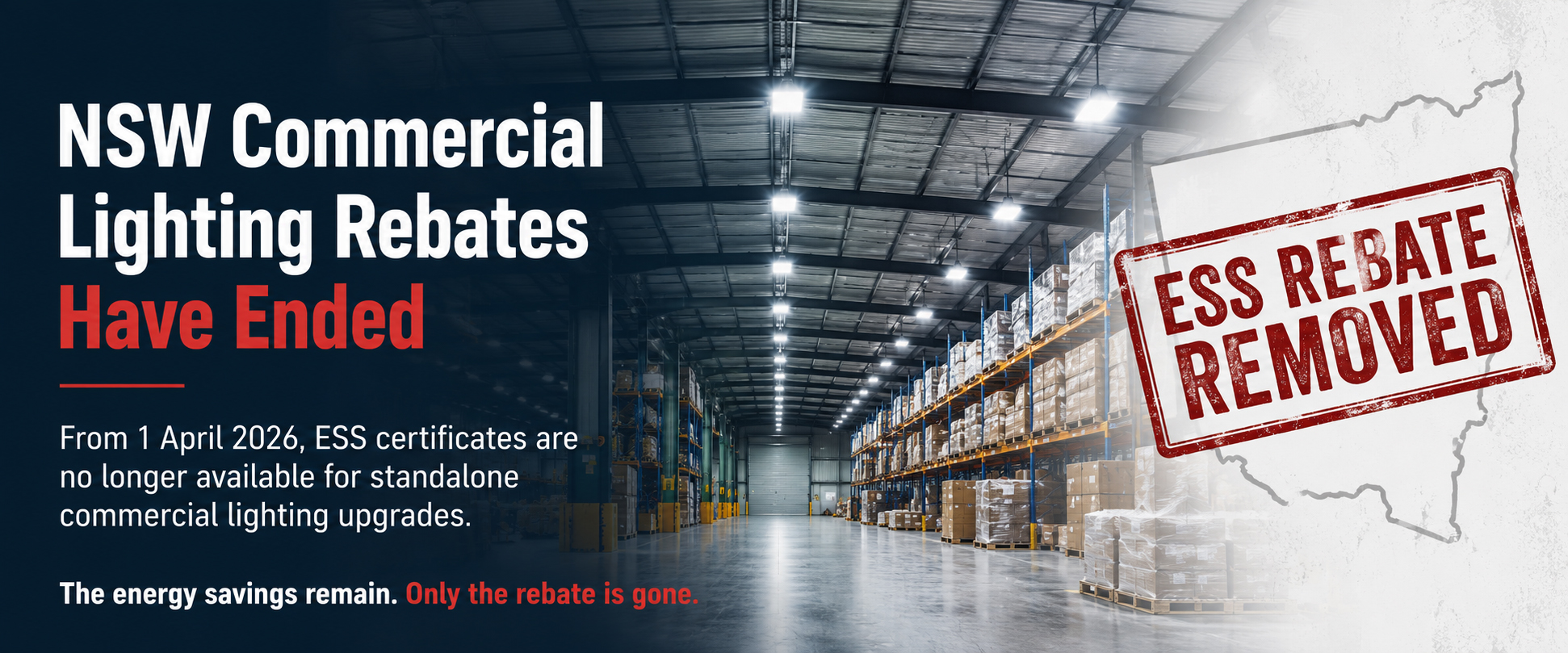
NSW ESS Commercial Lighting Certificates Are Gone: What It Means for Your LED Upgrade
The CLESF calculation method was removed from the ESS Rule in 2025. From 1 April 2026, commercial lighting upgrades in NSW no longer earn Energy Savings Certificates. Here is what changed, what is left, and what to do if you were quoted with rebates included.
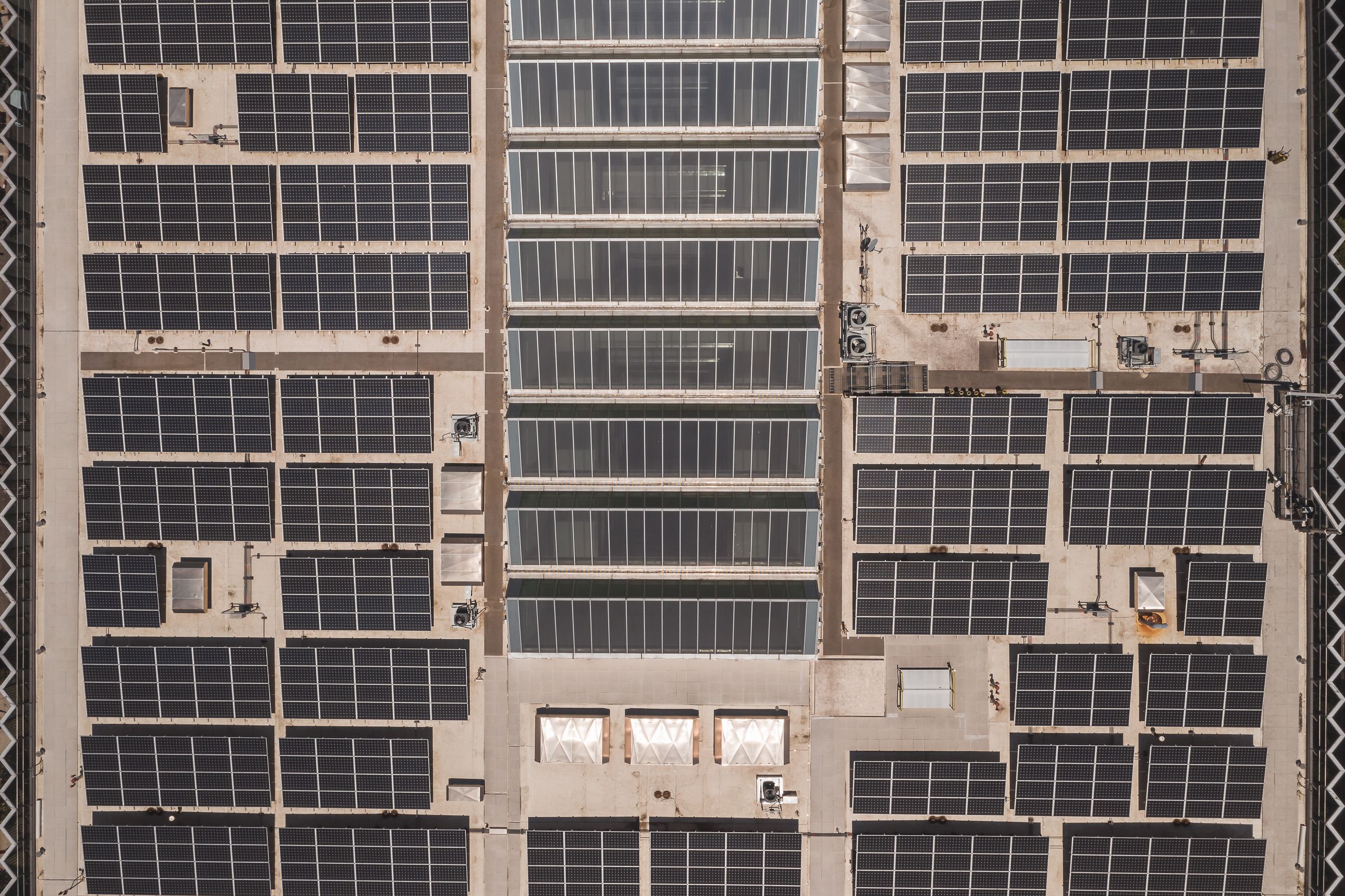
How to Sell LED and Solar Together: The Combined ROI Case for Commercial Clients
Feed-in tariffs are nearly worthless. Self-consumption is where the solar value is. LED first reduces the daytime load, meaning more solar goes to on-site use at full grid rates. Here's the combined ROI case, with real numbers.
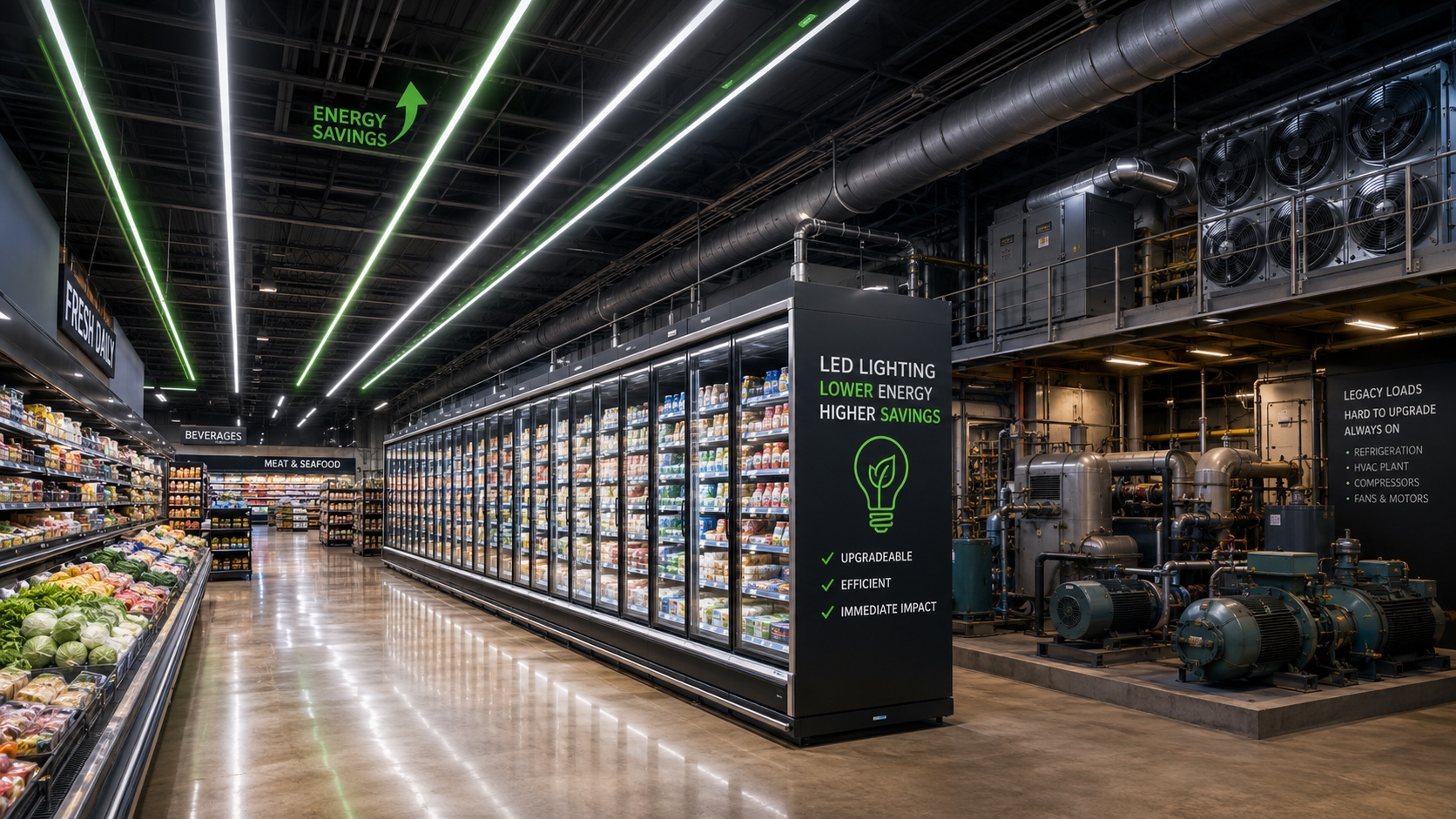
Why LED Lighting Is the Easiest Win in Commercial Energy Reduction
Most commercial energy loads (motors, compressors, refrigeration) are fixed by equipment and physics. Lighting is the exception: a drop-in replacement exists, installation takes a weekend, and payback is calculable before you spend a dollar.
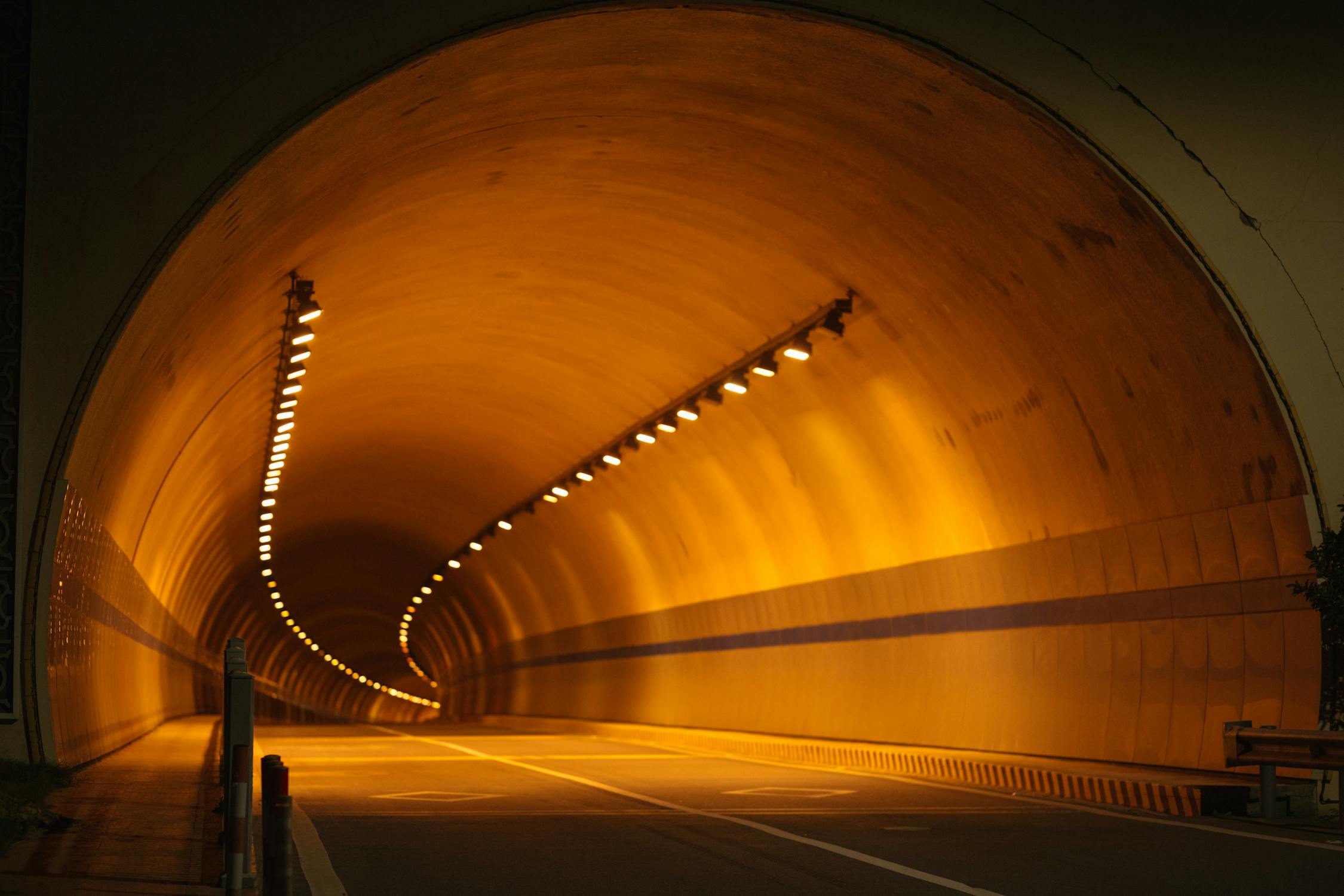
LED Tunnel Lighting in Australia: The Complete Engineering Guide
CIE 88 zones, Austroads standards, eye adaptation physics, adaptive dimming, and why maintenance cost avoidance is the primary financial justification for tunnel LED upgrades.
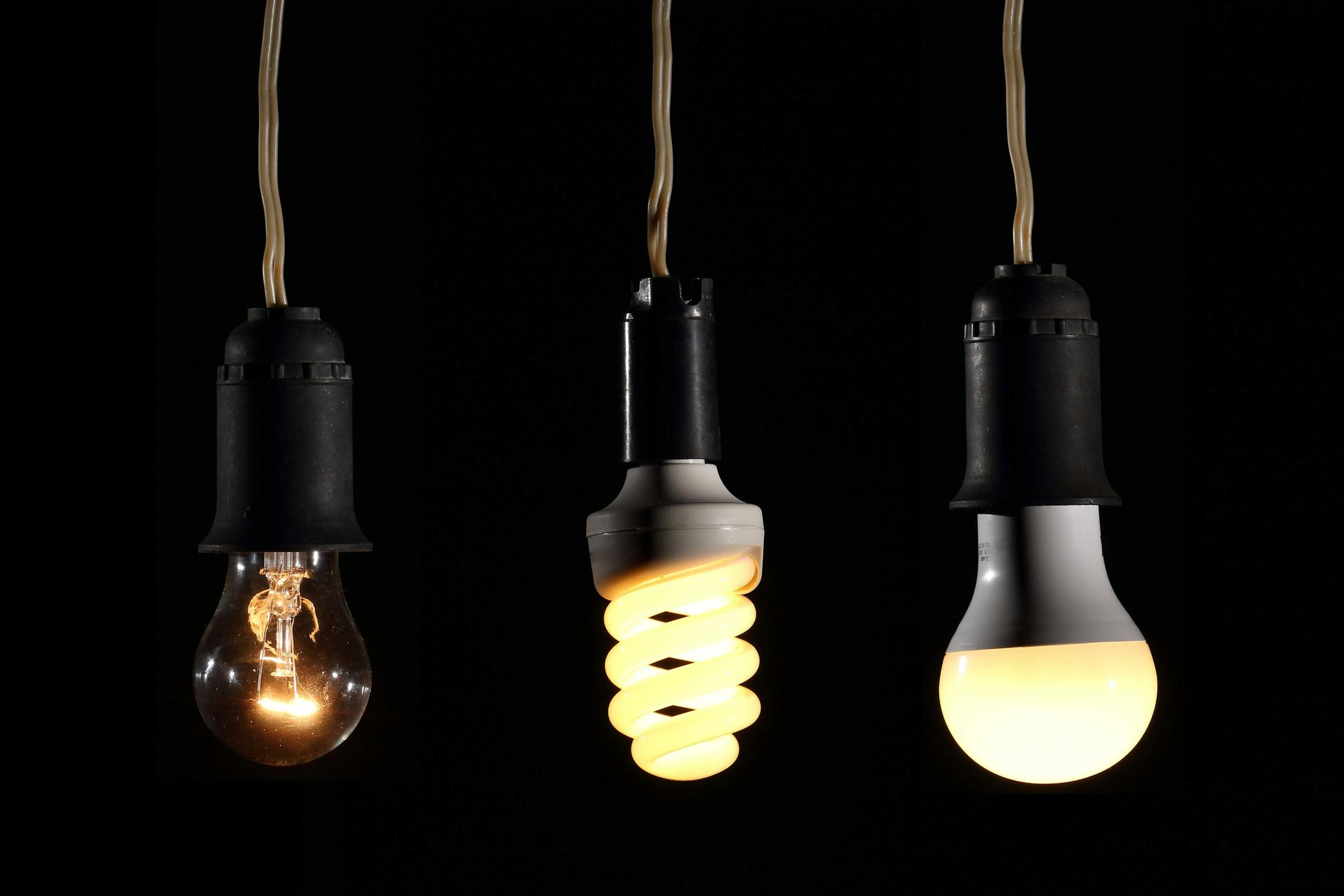
LED Planned Obsolescence: The Light Bulb Cartel That Never Really Ended
In 1924 a cartel of manufacturers secretly capped bulb life to protect replacement revenue. Did the same logic survive into the LED era? The uncomfortable answer, and what a major manufacturer's 2026 technology shift signals.
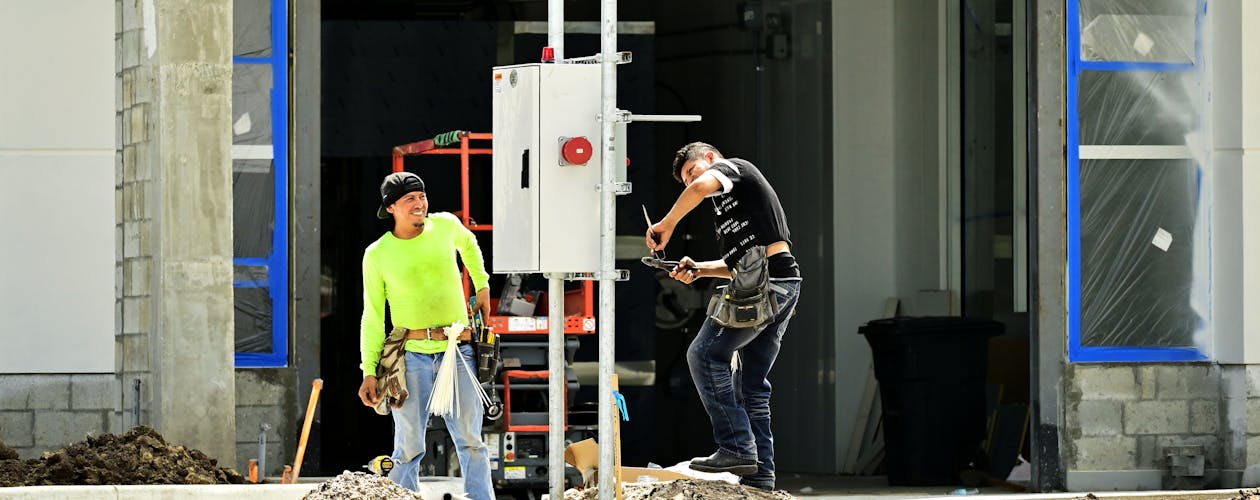
Federal Budget 2026: What It Means for Electrical Contractors and Commercial Energy Costs
The small business energy rebate ended December 2025 with no replacement. But a permanent $20,000 instant asset write-off and several wins for the electrical trades change the picture significantly.
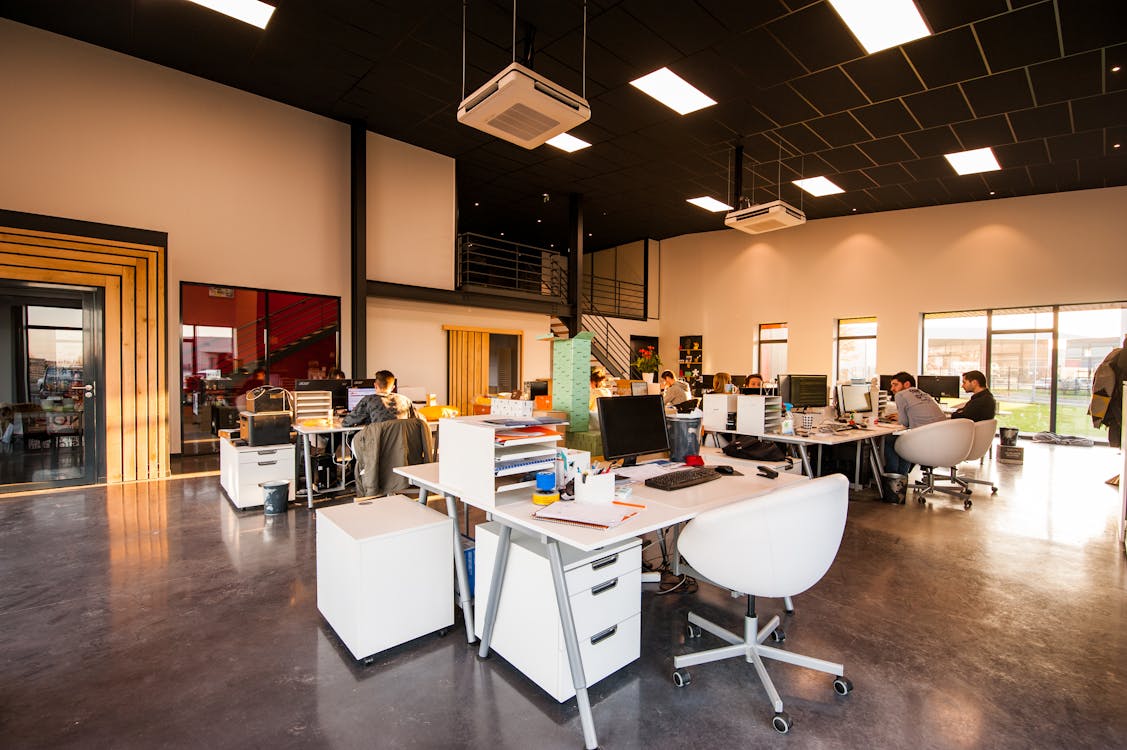
How to Replace Fluorescent Lights in an Office, The Australian Guide
Three upgrade paths explained: Type A plug-and-play, direct wire and full fitting replacement. What to look for in a quote, which rebates apply, and the mistakes to avoid.
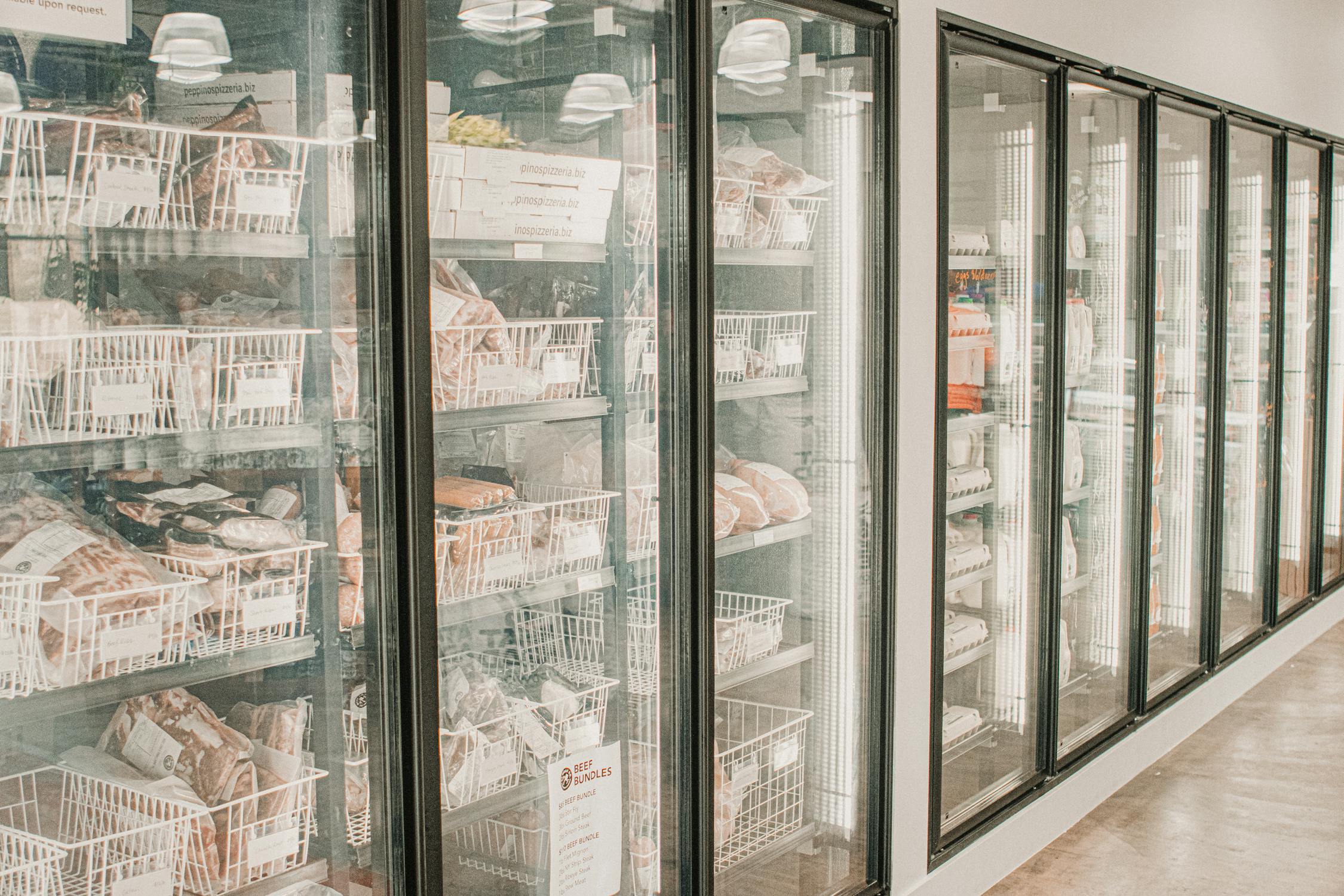
LED Lighting for Cold Storage and Refrigerated Warehouses: The Full Specification Guide
LEDs get more efficient as temperature drops: up to 15% more output at -25°C. Spec fittings that survive thermal cycling and slash both lighting and refrigeration bills.
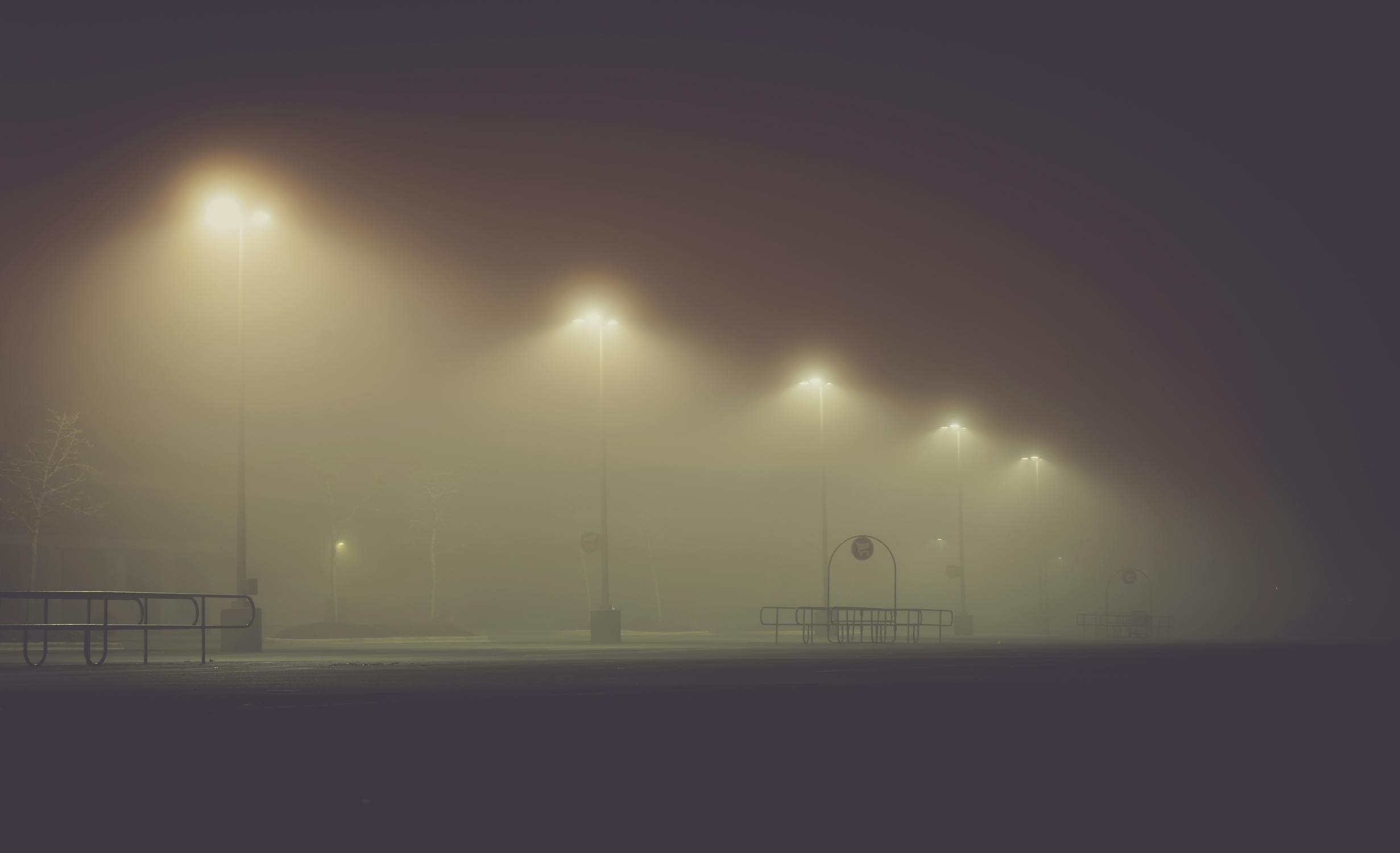
HPS Street Lighting to LED: How the US Got It Wrong and What Australia Should Specify
The US rushed in with 5000K blue-white LEDs and triggered an AMA health warning and costly retrofits. Here's the CCT specification that avoids repeating it.
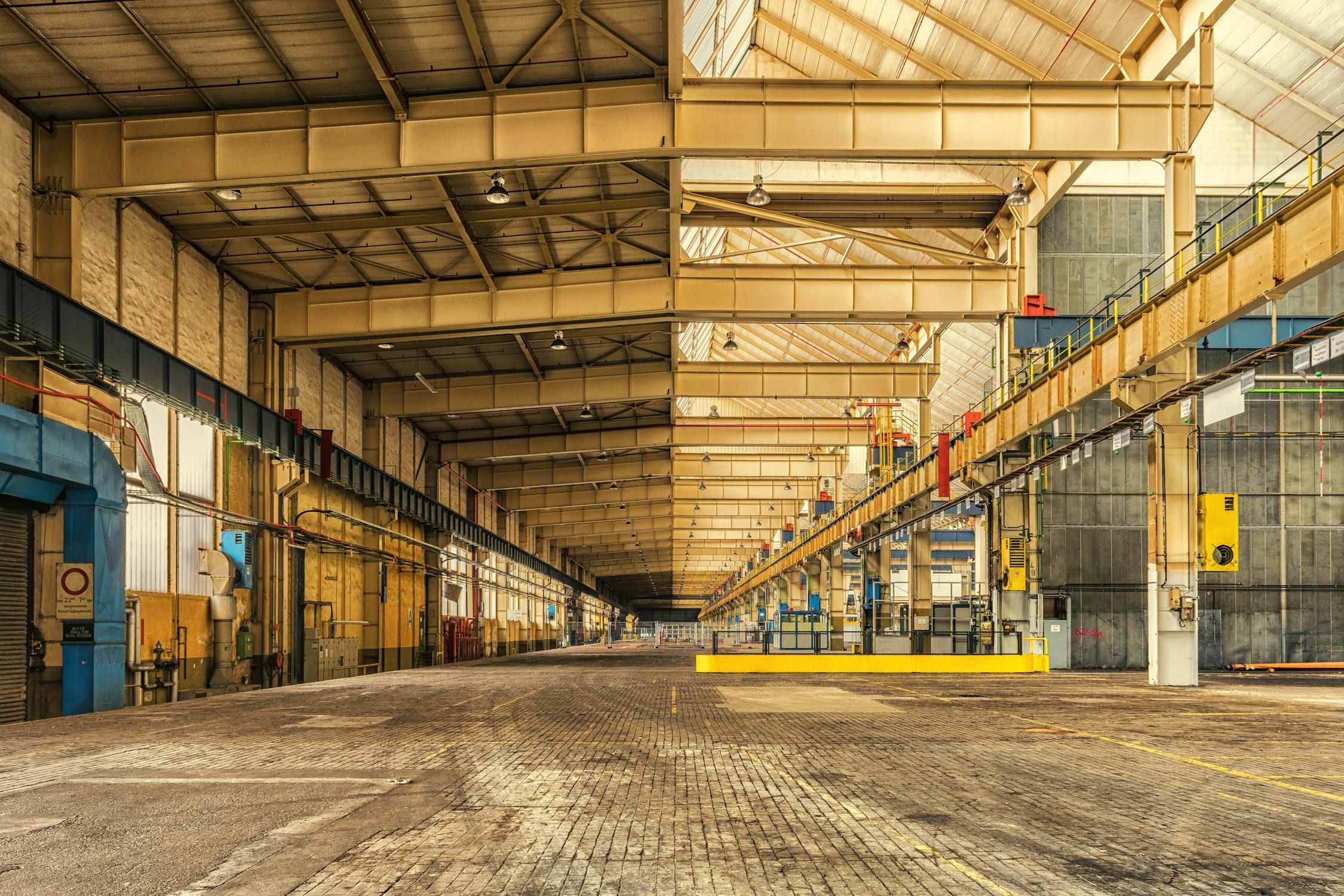
LED High Bay Payback Period by Australian State
SA pays back in under 12 months. QLD takes two years. Full state-by-state table: tariff, rebate and net payback for 50 × 400W metal halide to 150W LED.
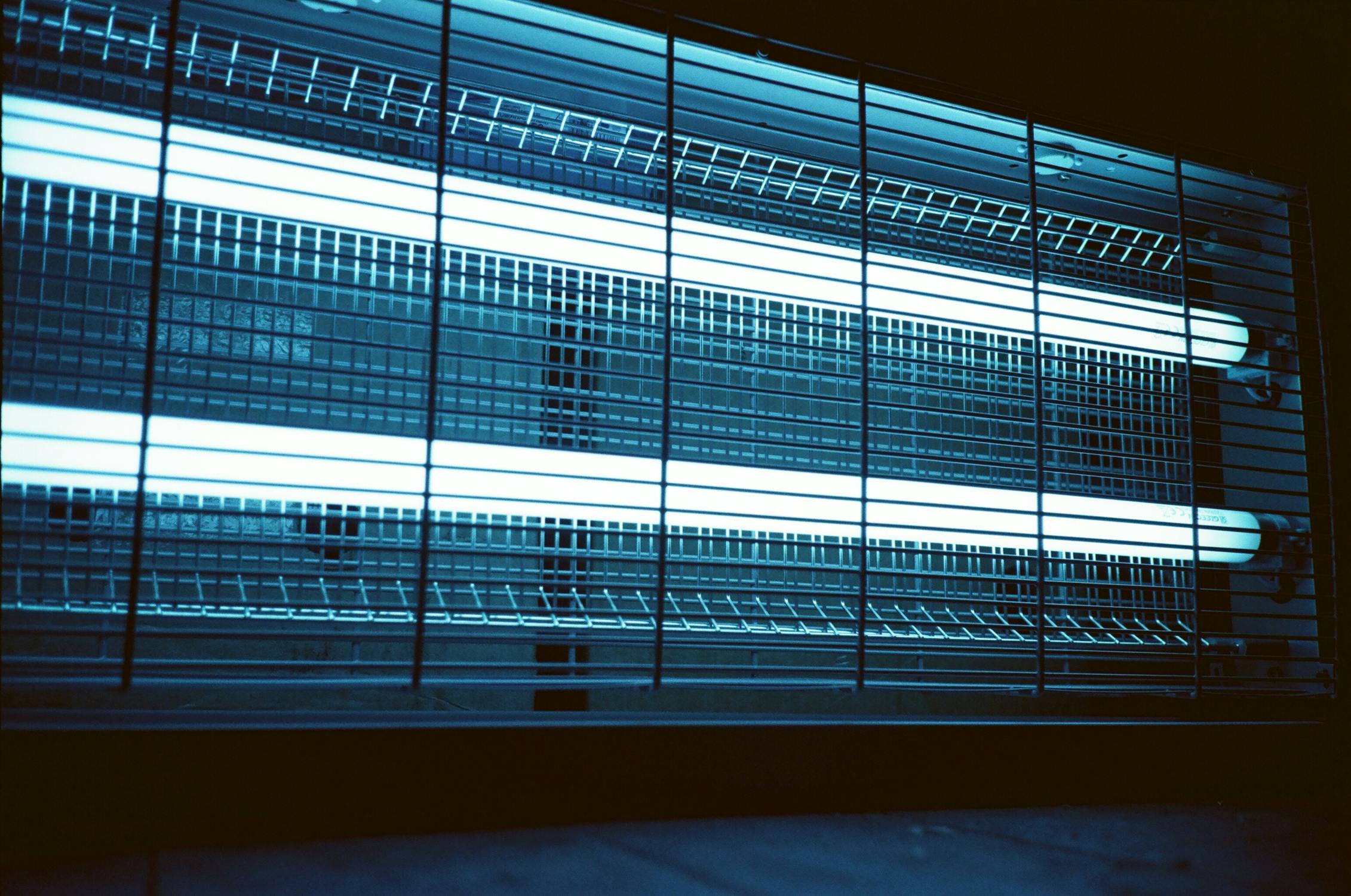
Fluorescent Lamps Are Being Banned in Australia: What It Means for Your Building
147 countries. One deadline. Europe already banned T8 and T5 in 2023. Australia's 2026–2027 deadline is here and supply is tightening now.
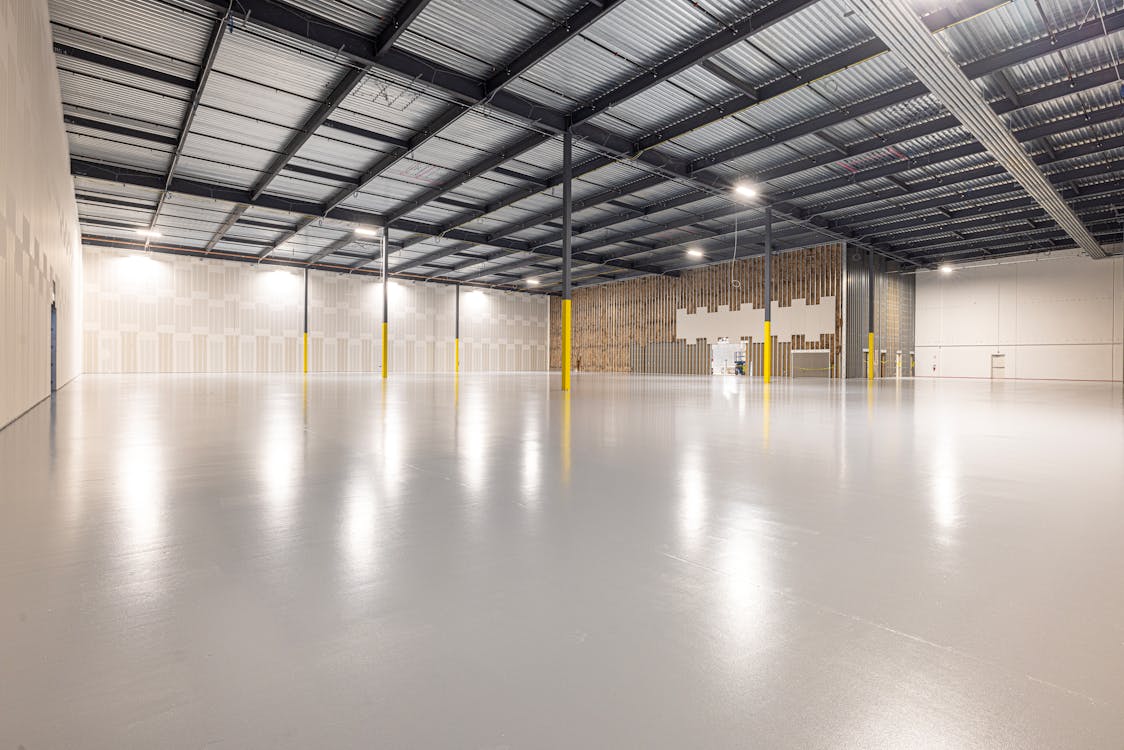
Metal Halide to LED: Three Things Your Quote Probably Got Wrong
The 150W-replaces-400W substitution table is wrong by a significant margin. Plus: why lm/W specs are routinely overstated, and the VEU "free fitting" quality trap.
T8 Fluorescent to LED: What the Free VEU Upgrade Didn't Include
The ballast is still your problem, the lm/W numbers are optimistic, and free VEU T8 installs often leave the dodgy part right where it was. Here's what to check.
Free LED Upgrades: How ESS, VEU and REPS Actually Work, and Who's Really Paying
The government can't force you to upgrade your lights, so instead they force retailers to pay for it. Here's the full picture, how certificates are made, how installers profit, and how to make sure you get a quality job rather than someone else's minimum spec.
SA REPS LED Lighting: Why South Australia Has Australia's Fastest LED Payback
SA has the highest electricity prices in the country and a scheme that makes LED upgrades almost free. The 2026–2030 round just kicked off, here's how REPS works and what to check before you sign off on anything.
 Run your own LED savings calculation
Free calculator with real Australian state tariffs, lumen-based wattage and government rebate estimates.